Beginner Sourdough Bread Recipe
Introduction
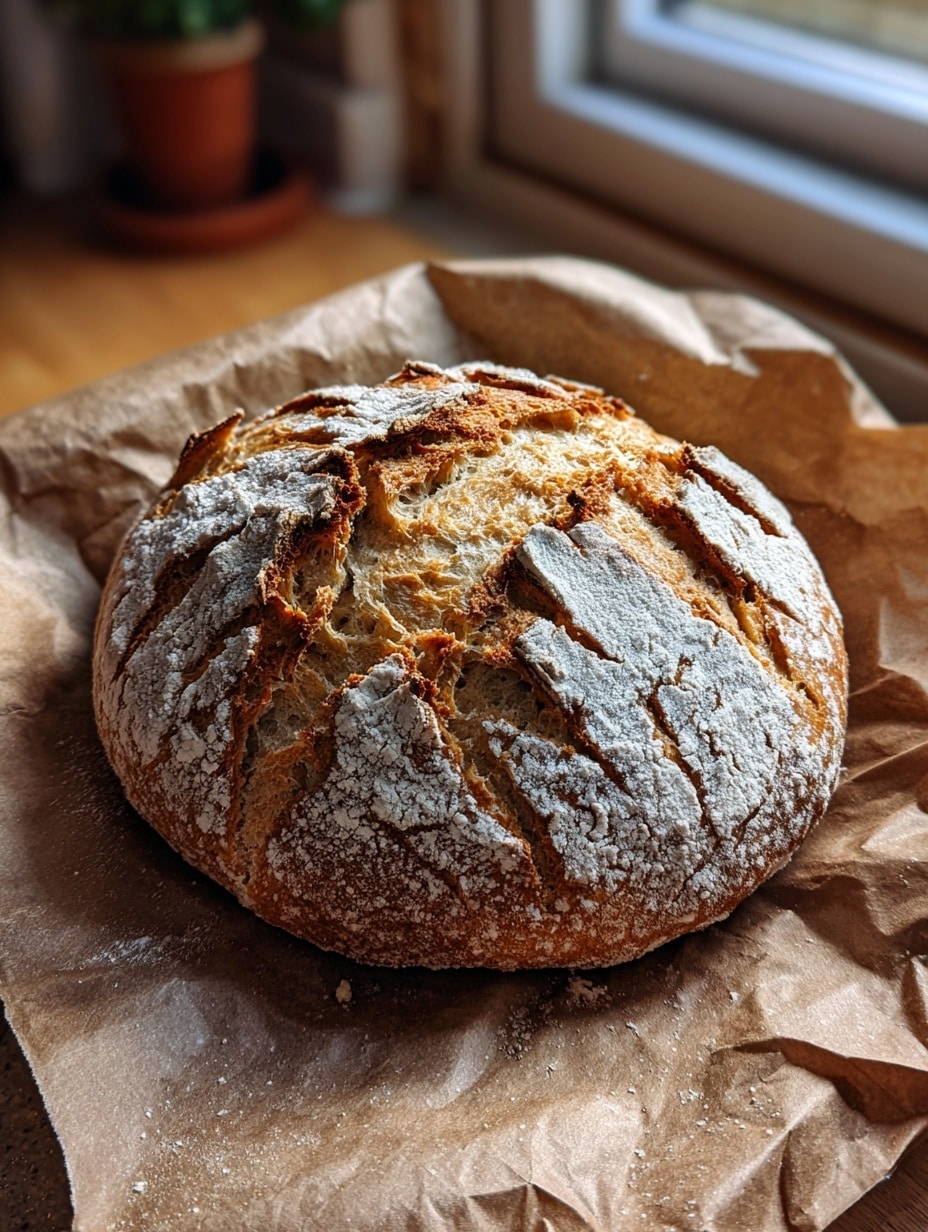
Beginner Sourdough Bread is a rewarding project for home bakers looking to master the art of naturally fermented bread. This recipe guides you through creating a flavorful loaf with a crisp crust and tender crumb, perfect for sandwiches or enjoying on its own.
Ingredients
- 80 grams ripe sourdough starter (about 1/3 cup)
- 80 grams water (warm or cool depending on the temperature, 1/3 cup)
- 80 grams all-purpose flour (about 2/3 cup)
- 230 grams levain or sourdough starter (see recipe notes, about 1 cup)
- 400 grams water, room temperature (about 1 3/4 cups)
- 600 grams bread flour or all-purpose flour (about 4 1/2 cups)
- 12 grams salt (about 2 teaspoons)
Instructions
- Step 1: Mix Levain. In a clear liquid measuring cup, combine 80 grams of starter, 80 grams of water, and 80 grams of flour. Stir until blended, cover, and leave at a warm room temperature (78-80ºF) for about 3-4 hours. The mixture should become bubbly and double in size, just about to fall. This indicates your levain is ready to use. Note: If you have a ripe, bubbly sourdough starter ready, you can skip this step and use it directly instead of the levain.
- Step 2: Mix Dough. In a bowl, combine 230 grams of ripe levain, 400 grams room-temperature water, 600 grams flour, and 12 grams salt. Mix with a wooden spoon or dough whisk until the dough forms a ball. It will appear shaggy at first. Cover and let rest for 1 hour at 78-80ºF.
- Step 3: Stretch & Fold #1. Uncover the dough and perform three stretch and folds: pick up the dough’s underside and fold it over the top, rotating the bowl between each fold. Cover again and rest for 1 hour at 78-80ºF.
- Step 4: Stretch & Fold #2. Repeat the series of three stretch and folds. The dough should feel more cohesive and stretchy now. Cover and rest another hour at 78-80ºF.
- Step 5: Stretch & Fold #3. Repeat three stretch and folds one last time. Cover and let rest for 1 to 2 hours at 78-80ºF.
- Step 6: Assess the dough. After about 4-5 hours from initial mixing, the dough should have risen about 40%, show bubbles, pull away from the bowl sides, and dome in the center. If not, let it ferment another 30 minutes and check again. Keep dough temperature at 78-80ºF.
- Step 7: Cold Fermentation. Cover the bowl with plastic wrap or a lid and refrigerate overnight for 12 to 48 hours. If you prefer to bake the same day, see the recipe notes for adjustments.
- Step 8: Preheat the Oven. Place a Dutch oven with its lid inside your oven and preheat to 500ºF. Allow it to heat for 30 minutes.
- Step 9: Shaping. Remove dough from fridge onto a clean counter. Shape it into a tight round ball by gently dragging dough edges underneath. Use wet hands if sticky. Place the shaped dough on parchment paper.
- Step 10: Scoring. When the Dutch oven is preheated, score the top of dough with one or two simple slashes using a sharp knife. Avoid intricate designs for this beginner recipe.
- Step 11: Bake the Bread. Carefully remove the Dutch oven from the oven with oven mitts. Remove lid and place dough with parchment paper inside. Replace lid and close oven door. Immediately reduce temperature to 450ºF. Bake for 25 minutes with lid on, then remove lid and bake another 20 minutes uncovered. The internal temperature should reach 205ºF.
- Step 12: Cooling. Remove bread from oven and cool completely before slicing. Enjoy your homemade sourdough!
Tips & Variations
- If your kitchen is cool, use warm water (not hot) to encourage levain activity.
- Substitute bread flour with all-purpose flour, but expect a slightly less chewy texture.
- For a more sour flavor, extend the cold fermentation up to 48 hours.
- Use wet hands when shaping sticky dough to prevent tearing.
- Experiment with adding seeds or herbs for extra flavor once comfortable with the basic recipe.
Storage
Store your sourdough bread in a paper bag or bread box at room temperature for up to 3 days. For longer storage, slice and freeze the bread in airtight bags for up to 3 months. To reheat, toast slices or warm the whole loaf in a 350ºF oven for 10-15 minutes to revive crust crispness.
How to Serve
Serve this delicious recipe with your favorite sides.
FAQs
Can I bake the bread the same day without cold fermentation?
Yes, you can skip the overnight refrigeration, but bake shortly after the final stretch and fold when the dough has risen about 40% and feels elastic. The flavor will be milder, and crumb less developed.
What is the best way to know when my levain is ready?
A ready levain will be bubbly, doubled in size, and starts to deflate slightly at its peak. It should pass the float test—dropping a spoonful in water and it floats indicates good aeration and readiness.
PrintBeginner Sourdough Bread Recipe
This Beginner Sourdough Bread recipe provides a step-by-step guide to making a classic sourdough loaf from scratch. Using simple ingredients and traditional techniques such as stretch and folds and cold fermentation, this recipe yields a crusty, flavorful bread with a chewy crumb perfect for beginners eager to master sourdough baking at home.
- Prep Time: 15 minutes (plus 3-4 hours for levain preparation)
- Cook Time: 45 minutes
- Total Time: Approximately 24 hours (including levain fermentation and cold proofing; active hands-on time about 2 hours)
- Yield: 1 loaf (about 800–900 grams of bread) 1x
- Category: Bread
- Method: Baking
- Cuisine: American
- Diet: Vegetarian
Ingredients
Levain
- 80 grams ripe sourdough starter (about 1/3 cup)
- 80 grams water (warm or cool depending on the temperature, 1/3 cup)
- 80 grams all purpose flour (about 2/3 cup)
Dough
- 230 grams levain or sourdough starter (about 1 cup)
- 400 grams water, room temperature (about 1 3/4 cups)
- 600 grams bread flour or all purpose flour (about 4 1/2 cups)
- 12 grams salt (about 2 teaspoons)
Instructions
- Mix Levain: In a clear liquid measuring cup, combine 80 grams of sourdough starter, 80 grams of water, and 80 grams of flour. Mix well, cover, and let it sit at a warm room temperature (78-80ºF) for 3-4 hours until the mixture is bubbly, doubled in size, and just about to fall. This levain is your active starter for the dough.
- Mix Dough: In a mixing bowl, blend 230 grams of ripe levain, 400 grams of room temperature water, 600 grams flour, and 12 grams salt using a wooden spoon or dough whisk. The dough will appear shaggy and lumpy initially. Mix until it forms a cohesive ball. Cover the bowl and let it rest for 1 hour at 78-80ºF.
- Stretch & Fold #1: After resting, uncover the dough and perform three stretch and folds by lifting the underside of the dough and folding it over itself, rotating the bowl between folds. Cover and let rest for another hour at 78-80ºF.
- Stretch & Fold #2: Repeat the set of three stretch and folds after the hour of rest. The dough will become more elastic and stretchy. Cover again and rest for one more hour at the same temperature.
- Stretch & Fold #3: Uncover and repeat the stretch and fold procedure a final time. Cover and let the dough rest for another 1-2 hours, maintaining the warm temperature.
- Bulk Fermentation Check: After about 4-5 hours from dough mixing, the dough should have risen about 40%, appear bubbly, pull from the bowl sides, and feel elastic. If not, allow it another 30 minutes of fermentation at 78-80ºF.
- Cold Fermentation: Cover the bowl tightly with plastic wrap or a lid and refrigerate overnight (12 to 48 hours) to enhance flavor and dough strength. Alternatively, follow notes for same-day baking.
- Preheat Oven and Dutch Oven: Place a Dutch oven with its lid inside your oven and preheat to 500ºF. Leave it for 30 minutes to get thoroughly heated.
- Shaping: Remove dough from refrigerator and place on a clean surface. Using wet hands if sticky, gently shape dough into a tight round ball by dragging and folding it onto itself. Place the shaped dough onto a piece of parchment paper.
- Scoring: After Dutch oven preheating, score the top of the dough with one or two simple slashes using a sharp knife to allow expansion during baking.
- Baking: Carefully remove the hot Dutch oven from the oven using oven mitts. Remove the lid and lift the dough with parchment paper into the Dutch oven. Replace the lid and place in oven. Immediately reduce oven temperature to 450ºF. Bake for 25 minutes covered, then remove the lid and bake an additional 20 minutes uncovered. Bread is done when internal temperature reaches 205ºF.
- Cooling: Remove bread from Dutch oven and cool completely on a wire rack before slicing to preserve crumb structure and texture. Enjoy your homemade sourdough bread!
Notes
- If you already have an active, ripe sourdough starter, you can skip the levain step and use it directly in the dough mixing step.
- Bread flour is recommended for better gluten development, but all-purpose flour can be used as a substitute.
- Maintain dough temperature between 78-80ºF during bulk fermentation for optimal yeast and bacterial activity.
- The dough can ferment in the refrigerator from 12 up to 48 hours; the longer time develops more flavor and a better crust.
- For same-day baking, reduce refrigerator fermentation and proceed to shape and bake accordingly.
- Be cautious handling the very hot Dutch oven to avoid burns.
- Simple scoring is recommended for this beginner dough to ensure proper oven spring without risk of deflating the loaf.
Keywords: Sourdough bread, beginner sourdough, homemade bread, fermentation, baking bread, Dutch oven bread