Creamy Biscoff Cookie Butter Cheesecake Recipe
Introduction
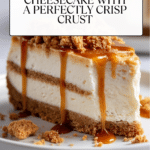
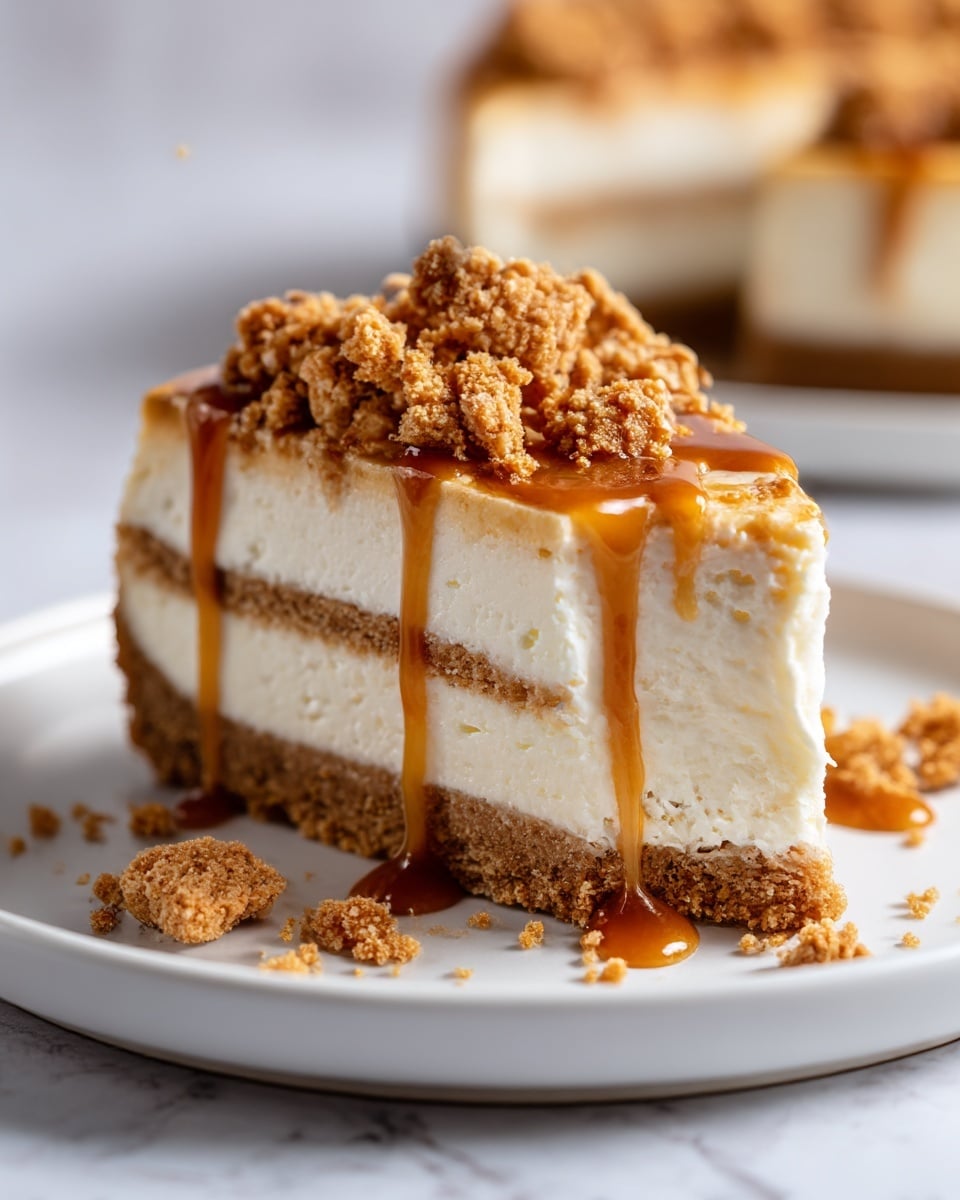
This creamy Biscoff cookie butter cheesecake offers a velvety texture and a subtly spiced flavor that’s perfect for any occasion. With simple ingredients and an easy method, it’s a dessert that feels special yet approachable for home bakers. The rich Biscoff cookie butter adds a unique twist that cheesecake lovers will adore.
Ingredients
- 1 1/2 cups (150g) Biscoff cookies, finely crushed (or graham crackers as a substitute)
- 6 tablespoons (85g) unsalted butter, melted
- 2 tablespoons granulated sugar (optional)
- 16 oz (450g) cream cheese, softened
- 1 cup (260g) Biscoff cookie butter, room temperature
- 3/4 cup (150g) granulated sugar
- 3 large eggs, room temperature
- 1/2 cup (120ml) sour cream
- 1 teaspoon vanilla extract
- Pinch of salt
- For topping (optional): 1/4 cup (65g) Biscoff cookie butter, warmed slightly for drizzling
- Whipped cream or crushed Biscoff cookies for garnish
Instructions
- Step 1: Preheat your oven to 325°F (160°C). Crush the Biscoff cookies into fine crumbs using a food processor or place them in a zip-top bag and roll with a pin.
- Step 2: Mix the cookie crumbs with melted butter and sugar until the mixture resembles wet sand.
- Step 3: Firmly press the crumb mixture into the bottom of an 8-inch springform pan, creating an even layer. Use the bottom of a glass to compact it tightly.
- Step 4: Bake the crust for 10 minutes. Remove and let it cool while you prepare the filling.
- Step 5: In a large bowl, beat the softened cream cheese until smooth and lump-free.
- Step 6: Add the granulated sugar and beat until the mixture is creamy.
- Step 7: Mix in the Biscoff cookie butter until fully incorporated, taking care to avoid lumps.
- Step 8: Beat in the eggs one at a time, mixing just until combined after each addition to prevent overbeating.
- Step 9: Gently fold in the sour cream, vanilla extract, and salt with a spatula until the batter is smooth and silky.
- Step 10: Pour the filling over the cooled crust and smooth the top. Tap the pan gently on the counter a few times to release any air bubbles.
- Step 11: Bake the cheesecake at 325°F (160°C) for 50-60 minutes, until the edges are set but the center still has a slight jiggle.
- Step 12: Turn off the oven and leave the cheesecake inside with the door slightly ajar for 1 hour to cool gradually.
- Step 13: Transfer the cheesecake to the refrigerator and chill for at least 4 hours or overnight.
- Step 14: Before serving, warm some Biscoff cookie butter and drizzle it over the top. Garnish with whipped cream or crushed cookies if desired.
Tips & Variations
- Let cream cheese come fully to room temperature before mixing to avoid lumps and ensure a velvety texture.
- Beat eggs gently and add them one at a time to prevent cracks caused by trapped air.
- Slowly cool the cheesecake in the oven with the door ajar to reduce cracking.
- For a water bath method, wrap the springform pan in foil and place it in a larger pan with hot water to help even baking and prevent cracks.
- Substitute Greek yogurt for sour cream if needed, though it may slightly alter the flavor.
- Try adding a swirl of melted dark chocolate into half the batter for a chocolate Biscoff marble effect.
- For a vegan version, use vegan cream cheese, coconut yogurt, and flax eggs (1 tbsp flaxseed meal + 3 tbsp water per egg).
- Add chopped toasted pecans or walnuts to the crust for extra texture.
Storage
Store leftovers tightly wrapped in the refrigerator for up to 5 days. The flavors deepen over time, making it taste even better after a day or two. For longer storage, freeze individual slices wrapped in plastic and foil; thaw overnight in the fridge before serving. Avoid microwaving to preserve texture—let cheesecake come to room temperature naturally or warm the topping with a hot spoon if desired.
How to Serve
Serve this delicious recipe with your favorite sides.
FAQs
Can I use regular peanut butter instead of Biscoff cookie butter?
You can substitute peanut butter, but the flavor will be more nutty and less spiced. The cheesecake won’t have the same caramel and cinnamon notes unique to Biscoff.
Do I have to bake the crust before adding the filling?
Baking the crust helps it set and prevents sogginess. While you can skip this step if you’re short on time, the crust may be softer and less sturdy.
How do I prevent cracks on my cheesecake?
Mix ingredients gently, avoid overbeating eggs, and cool the cheesecake slowly in the turned-off oven with the door ajar before refrigerating. This gradual cooling reduces cracking.
Can I make this cheesecake ahead of time?
Absolutely. The cheesecake actually tastes better after chilling overnight, as the flavors meld and the texture firms up nicely.
What’s the best way to slice the cheesecake neatly?
Use a hot, clean knife and wipe it between each slice to achieve smooth, clean edges without tearing the cake.
PrintCreamy Biscoff Cookie Butter Cheesecake Recipe
A luscious and creamy Biscoff cookie butter cheesecake featuring a crunchy Biscoff crust and a velvety smooth spiced filling. This easy-to-make dessert combines the rich caramel and cinnamon notes of Biscoff cookie butter with classic cheesecake tanginess, perfect for any occasion from casual gatherings to special celebrations.
- Prep Time: 25 minutes
- Cook Time: 1 hour
- Total Time: 5 hours 25 minutes
- Yield: 12 servings 1x
- Category: Dessert
- Method: Baking
- Cuisine: American
Ingredients
For the crust:
- 1 1/2 cups (150g) Biscoff cookies, finely crushed (or graham crackers as a substitute)
- 6 tablespoons (85g) unsalted butter, melted (preferably Kerrygold)
- 2 tablespoons granulated sugar (optional; depending on cookie sweetness)
For the filling:
- 16 oz (450g) cream cheese, softened (Philadelphia brand recommended)
- 1 cup (260g) Biscoff cookie butter, room temperature
- 3/4 cup (150g) granulated sugar
- 3 large eggs, room temperature
- 1/2 cup (120ml) sour cream (can substitute Greek yogurt)
- 1 teaspoon vanilla extract
- Pinch of salt
For the topping (optional):
- 1/4 cup (65g) Biscoff cookie butter, warmed slightly for drizzling
- Whipped cream or crushed Biscoff cookies for garnish
Instructions
- Prepare the crust: Preheat your oven to 325°F (160°C). Crush the Biscoff cookies into fine crumbs using a food processor or by placing them in a zip-top bag and rolling with a pin. Mix the crumbs with melted butter and sugar until the mixture looks like wet sand.
- Press the crust: Firmly press the cookie crumb mixture into the bottom of an 8-inch (20cm) springform pan to create an even, compact layer. Use the bottom of a glass to press it tightly. Bake for 10 minutes, then remove from the oven and let cool while you prepare the filling.
- Make the filling: In a large mixing bowl, beat the softened cream cheese until smooth and free of lumps using an electric mixer or stand mixer. Add the granulated sugar and continue beating until creamy. Add the Biscoff cookie butter and mix thoroughly to prevent lumps and achieve a velvety texture.
- Add eggs one at a time: Beat in the eggs individually, mixing just until combined after each addition. Avoid overbeating to prevent air bubbles that can cause cracks.
- Fold in sour cream, vanilla, and salt: Using a rubber spatula, gently fold in the sour cream, vanilla extract, and pinch of salt until the batter is smooth and silky without vigorous mixing.
- Pour and smooth: Pour the cheesecake filling over the cooled crust and smooth the top with a spatula. Tap the pan gently on the counter a few times to release any trapped air bubbles.
- Bake the cheesecake: Bake at 325°F (160°C) for 50 to 60 minutes. The edges should be set while the center retains a slight jiggle to ensure a creamy texture.
- Cool gradually: Turn off the oven and leave the cheesecake inside with the door slightly ajar for 1 hour to cool slowly and prevent cracks.
- Chill: Transfer the cheesecake to the refrigerator and chill for at least 4 hours or preferably overnight for full setting and flavor development.
- Add finishing touches: Before serving, warm the Biscoff cookie butter slightly and drizzle it over the top. Garnish with whipped cream or crushed Biscoff cookies if desired.
Notes
- Always bring cream cheese to room temperature before mixing to avoid lumps.
- Beat eggs gently and one at a time to prevent incorporate too much air, which causes cracks.
- Slow cooling inside the oven with the door ajar helps prevent cheesecake cracking.
- Baking the crust is recommended for sturdiness, but can be skipped if you’re short on time, though the crust may be softer.
- Use a hot, clean knife wiped between cuts for neat cheesecake slices.
- For gluten-free, use certified gluten-free cookie crumbs and Biscoff cookie butter.
- For dairy-free alternatives, substitute cream cheese and sour cream with plant-based options, noting texture might slightly differ.
Keywords: Biscoff cheesecake, cookie butter cheesecake, creamy cheesecake, easy dessert, no-fuss cheesecake, velvety cheesecake, spiced dessert