Radish Kraut Recipe
Introduction
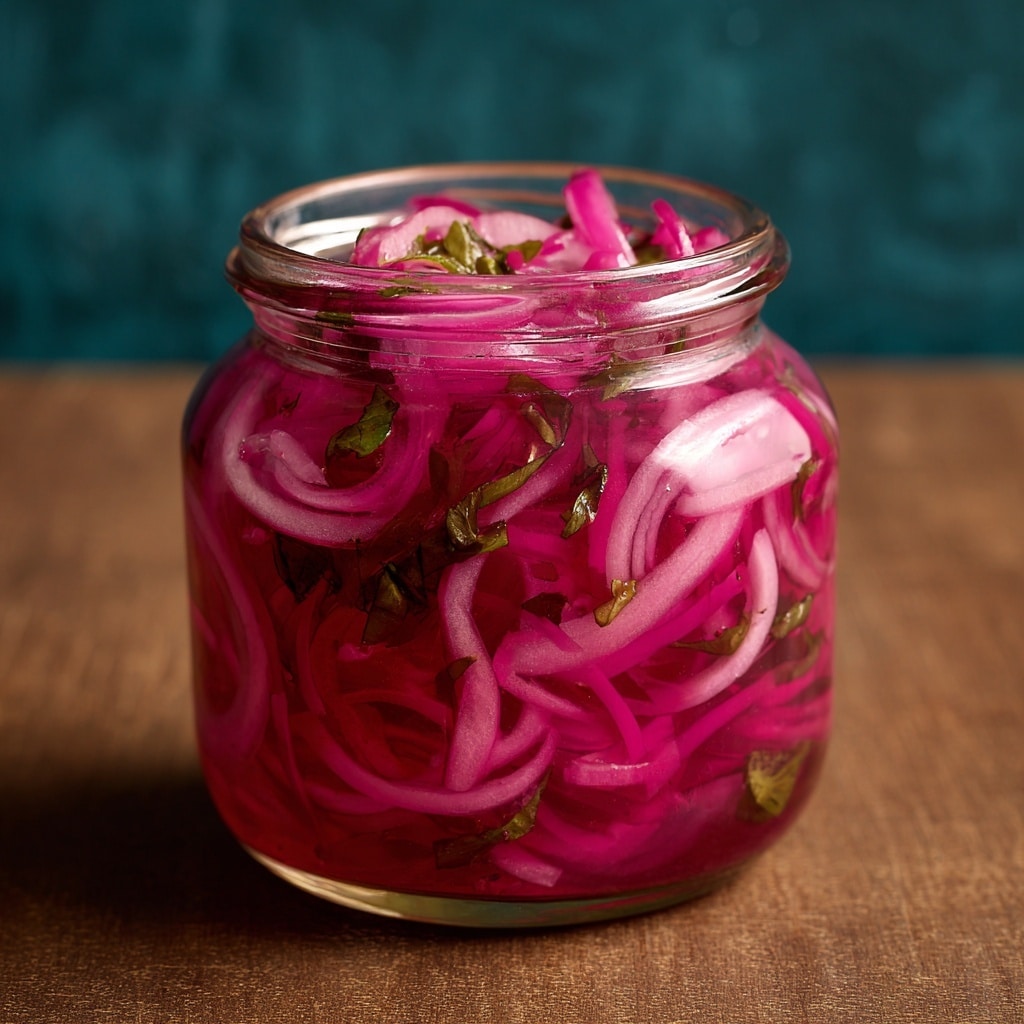
This tangy and crunchy radish kraut is a vibrant twist on traditional sauerkraut, perfect for adding a burst of flavor to your meals. Fermented with garlic, chili, and red pepper, it offers a spicy kick and delightful texture. Making your own kraut at home is easier than you think and yields delicious, probiotic-rich results.
Ingredients
- 300g radishes, washed and finely sliced (preferably using a mandolin)
- ½ red pepper, finely chopped
- 2 tsp sea salt
- ½ tsp demerara sugar
- 2 garlic cloves, crushed
- 1 red chilli, deseeded and finely chopped
- Still mineral water, to top up
Instructions
- Step 1: Sterilise your jars thoroughly before beginning the process to ensure a clean environment for fermentation.
- Step 2: In a bowl, combine the radishes and red pepper with the sea salt and demerara sugar. Squeeze and scrunch the mixture with your hands to release the juices. Leave to cure for 1 hour, then squeeze again firmly for about 10 minutes.
- Step 3: Add the crushed garlic and chopped red chilli to the mixture and give it another good squeeze to blend the flavors.
- Step 4: Pack the radish mixture tightly into the sterilised jar, pressing down hard to remove air bubbles until the brine rises and fully covers the vegetables. Leave 2-3cm of space at the top of the jar.
- Step 5: If needed, add a little still mineral water to ensure the vegetables are completely submerged in liquid.
- Step 6: Scrunch up a piece of baking parchment and press it firmly down into the jar to weigh down the vegetables and keep them immersed.
- Step 7: Cover the jar with a clean piece of muslin and secure it with a rubber band. Place the jar on a cool, dark shelf for 4 to 7 days for fermentation.
- Step 8: Check the ferment daily. Lift the muslin and parchment to release fermentation gases before resealing, a process known as burping, to prevent the jar from exploding.
- Step 9: When the kraut has reached your preferred level of tanginess, remove the parchment and muslin, seal the jar with its lid, and store it in the fridge to halt further fermentation.
Tips & Variations
- Use a mandolin slicer to get uniform thin slices of radish, ensuring even fermentation and a pleasant texture.
- If you prefer milder heat, reduce the amount of red chilli or omit it altogether.
- Try adding other vegetables like grated carrot or sliced fennel for extra flavor and complexity.
- Always ensure the vegetables remain fully submerged to avoid mold growth during fermentation.
Storage
Once fermented to your liking, store the radish kraut in the refrigerator sealed with a lid. It will keep well for several months when refrigerated. To enjoy, serve chilled or at room temperature. The cool storage slows or stops fermentation, maintaining its crisp texture and tangy flavor.
How to Serve
Serve this delicious recipe with your favorite sides.
FAQs
Do I need to use a special jar for fermenting the kraut?
Sterilised glass jars with wide mouths work best for fermenting kraut as they are easy to clean and allow for proper pressing of the vegetables. Ensure they have a tight-fitting lid for storage after fermentation.
What if the kraut develops bubbles or a cloudy brine?
Bubble formation and cloudy brine are normal signs of fermentation, indicating that natural bacteria are active. Just make sure to burp the jar daily to release gases and check for any signs of mold, which should be discarded if present.
PrintRadish Kraut Recipe
A tangy and crunchy homemade radish kraut recipe that combines finely sliced radishes and red pepper, fermented to perfection with garlic, chili, and spices. This naturally fermented condiment is easy to make and adds a vibrant flavor to meals, bursting with probiotics and a slight spicy kick.
- Prep Time: 1 hour 20 minutes
- Cook Time: 0 minutes (fermentation time 4-7 days)
- Total Time: 4 days to 7 days 1 hour 20 minutes
- Yield: Approximately 1 jar (about 500ml) 1x
- Category: Condiment
- Method: Fermentation
- Cuisine: Eastern European / Fusion
- Diet: Vegan
Ingredients
Vegetables and Aromatics
- 300g radishes, washed and finely sliced (preferably using a mandolin)
- ½ red pepper, finely chopped
- 2 garlic cloves, crushed
- 1 red chilli, deseeded and finely chopped
Seasonings
- 2 tsp sea salt
- ½ tsp demerara sugar
Other
- Still mineral water, to top up
Instructions
- Sterilise the jars: Begin by thoroughly sterilising your jars to ensure they are clean and safe for fermentation, preventing unwanted bacteria growth.
- Combine and cure the vegetables: Place sliced radishes and finely chopped red pepper in a bowl. Add sea salt and demerara sugar, then scrunch the mixture vigorously with your hands to release juices. Let it cure for 1 hour, then squeeze again for about 10 minutes to extract more liquid.
- Add garlic and chilli: Mix in the crushed garlic cloves and finely chopped, deseeded red chilli. Squeeze the mixture again to distribute flavors evenly.
- Pack into jar: Transfer the radish mixture into the sterilised jar, pressing down hard with a clean tool, like the end of a rolling pin, to eliminate air bubbles and encourage the release of brine. The brine should cover the vegetables; if not, top up with still mineral water to fully submerge.
- Weight and cover: Scrunch baking parchment and firmly push it into the jar on top of the vegetables to weigh them down under the brine. Cover the jar with clean muslin and secure with a rubber band to allow breathing while preventing contaminants.
- Ferment: Leave the jar on a cool, dark shelf for 4 to 7 days, depending on your preferred level of funkiness. Check daily to release fermentation gases by lifting the muslin and parchment (burping) to avoid pressure build-up.
- Finish and store: Once the kraut has reached your desired taste, remove the parchment and muslin, seal the jar with a lid, and store in the fridge to halt further fermentation. The kraut can be kept refrigerated for months.
Notes
- Sterilising jars properly is essential to avoid contamination during fermentation.
- Fermentation time varies with ambient temperature; warmer environments speed up the process.
- Burping daily prevents pressure build-up which could cause jars to burst.
- If brine level is low, always top up with still mineral water to keep vegetables submerged.
- The flavour develops over days and you can taste it daily to suit your preference.
Keywords: radish kraut, fermented radishes, homemade sauerkraut, probiotic kraut, fermented vegetables, vegan condiment